


What We Offer
Comprehensive Diagnostic Services
Endoscopy & Specialized Procedures
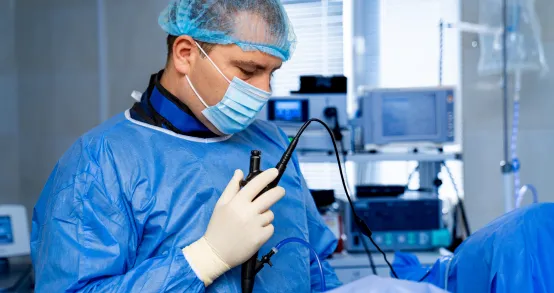
Endoscopy and Specialized Procedures provide minimally invasive diagnostic and therapeutic evaluation of internal organs through the use of endoscopic instruments and advanced visualization technologies. These procedures enable direct inspection of the gastrointestinal tract, respiratory pathways, and other internal structures to identify inflammation, bleeding, tumors, strictures, infections, and functional disorders. By reducing the need for invasive surgery, endoscopic diagnostics support earlier detection, targeted intervention, faster patient recovery, and improved clinical outcomes.
Our Diagnostic Services
Core Diagnostic Modalities & Procedures Upper Gastrointestinal Endoscopy (EGD)
EGD is used to visualize the esophagus, stomach, and duodenum to diagnose gastritis, ulcers, bleeding sources, esophageal varices, tumors, and structural abnormalities. Biopsy sampling may be performed during the procedure for histopathologic evaluation.
Bronchoscopy
Bronchoscopy enables examination of the tracheobronchial tree to detect airway obstruction, infection, tumors, bleeding, or foreign bodies. Samples may be collected for cytology, culture, or biopsy.
Sigmoidoscopy
Sigmoidoscopy provides visualization of the distal colon and rectum to assess for proctitis, polyps, bleeding, and localized inflammation, typically serving as a faster alternative to full colonoscopy when appropriate.
ERCP (Endoscopic Retrograde Cholangiopancreatography)
ERCP combines endoscopy with fluoroscopic imaging to diagnose and treat conditions affecting the bile ducts and pancreas, including stones, strictures, leaks, and malignancies.
Endoscopic Biopsy & Therapeutic Interventions
Endoscopy may be used for biopsy collection, polypectomy, hemostasis, foreign body removal, esophageal dilation, and other targeted treatments that previously required surgical intervention.
Colonoscopy
Colonoscopy allows direct assessment of the colon and rectum for polyps, inflammatory disease, bleeding, malignancy, and mucosal abnormalities. It remains a key tool in colorectal cancer screening and surveillance programs.